Page of Lin

Skip to main content

My Hometown

I'm a wolverine from North side of the China, Shanxi. Shanxi is a plateau province of North China. The preserved old towns dating from Han Dynasty (206 BC – AD 220). The Ancient City of Pingyao in Shanxi is a World Heritage Site near Taiyuan. Once a great financial center of China, it is noted for its preservation of many features of northern Han Chinese culture, architecture, and way of life during the Ming and Qing Dynasties. Feel free to zoom around the map to see where I grow up!
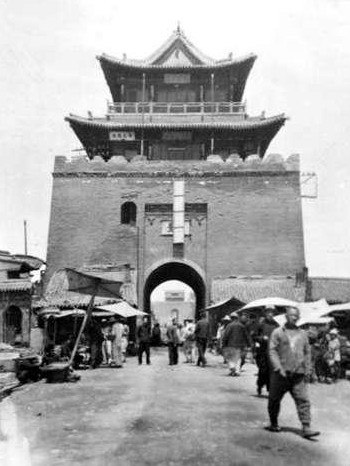
The Bell and Drum towers

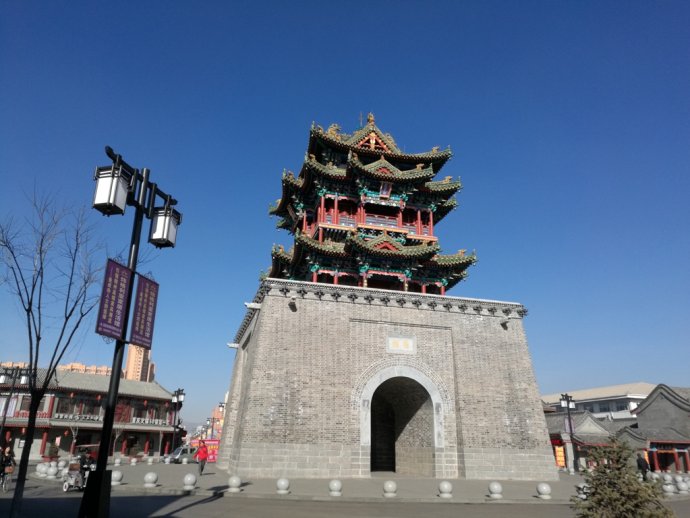
The Bell and Drum towers were central to official timekeeping for a city in China, in Ming and Qing dynasties. Bells and drums were musical instruments in ancient China. Later they were used by government and communities to announce the time.

Bell tower Bell tower past

Egrets

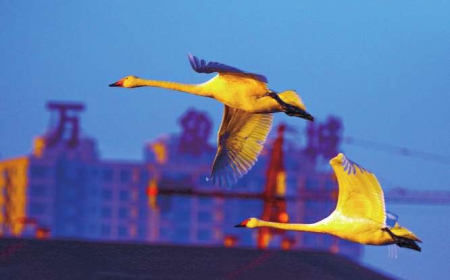
The egrets struggled to shake their wings, implying enterprising, hard work and leap. The egret is a city bird in Shuozhou, Shanxi, and it also contains the meaning of Shuozhou looking forward to peace.

bird

Yungang Grottoes

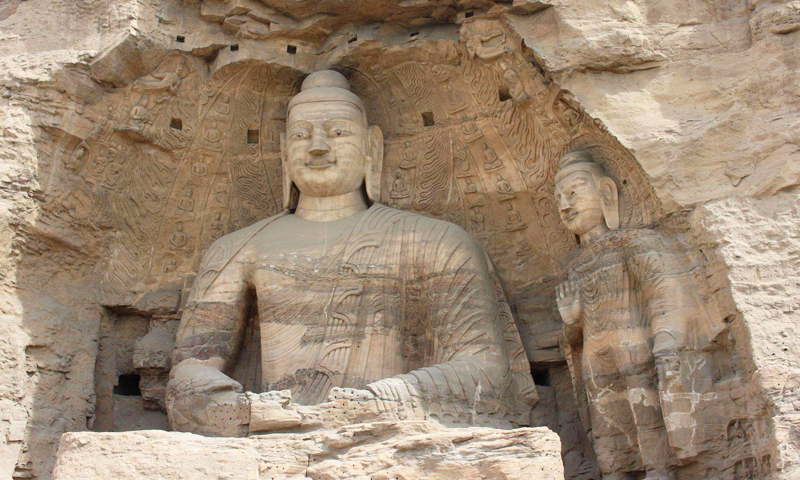
The Yungang Grottoes, formerly the Wuzhoushan Grottoes, are ancient Chinese Buddhist temple grottoes near the city of Datong in the province of Shanxi. They are excellent examples of rock-cut architecture and one of the three most famous ancient Buddhist sculptural sites of China. The others are Longmen and Mogao.

Buddhist

Pingyao Ancient City

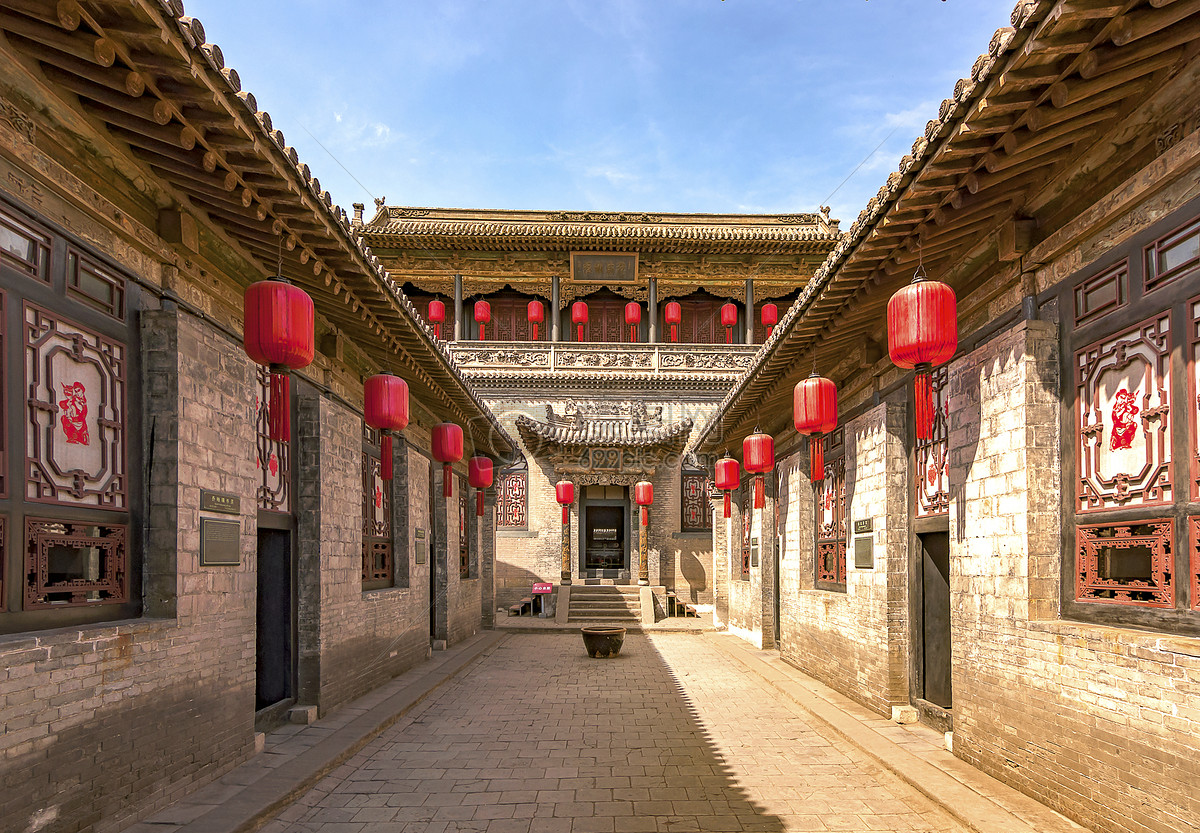
Pingyao, officially Pingyao Ancient City,[1] is a settlement in central Shanxi, China, famed for its importance in Chinese economic history and for its well-preserved Ming and Qing urban planning and architecture. Administratively, it comprises the town of Gutao in Pingyao County in Jinzhong Prefecture. The town is first recorded c. 800 bc and has been the seat of local government since at least the Qin. By the 16th century, it was a regional financial hub; in the late 19th century, some consider it to have been the financial centre of the Qing Empire. It is a UNESCO World Heritage Site

Pingyao